No Safety Shot – The Cost Of Greatness
I am thinking about what makes an image, Great. It’s World Photography Day today, and at 11:30 pm.. and I am trying to pull together my intuition, and put words to it.
There are a lot of good images. But there are very few great ones. Greatness itself is subjective, but here I am talking of a critic’s view, someone with knowledge of photography and aesthetics, an expert who has seen enough of what great is, to know when something truly is great. The ‘good images’ have all been captured a million times over – that mountain, that street, that monument, that sunset, that bird, that landscape. There is almost nothing new in any of it. There is surely art and the eye to it. But before any of that, you have to place yourself in a position where the great shot can even happen. For your image to land outside that tsunami of ‘good images’, you have to do more than what anyone else is willing to do, which means taking a risk – technical, physical, or even emotional. This is probably true of every type of aspiration to greatness.
Every great photograph asks for a price, and a risk – it’s like the toll tax for reaching greatness I guess. The photographers who are actually in pursuit of greatness rarely feel it as a price at all. In the moment, the discomfort, the sweat, the lack of sleep, the body ache, the equipment risk, all fades away, and it’s all just about the shot. If you are too aware and counting the cost while you shoot, you’ve probably already lost the image.
All perfect-looking shots aren’t great pictures. A studio setup is flawless but never great – it has no heart in it, no trace of life. There’s a whole trend of scenes built for the camera: villagers paid to dress in tribal gear and perform rituals nobody practices anymore, fishermen handed nets in colours that complement the colour of their clean clothes, subjects posed to look “candid” and surprising. It’s merely a studio relocated outdoors. Nothing can go wrong on these shoots, which is exactly the problem. The images are dreamy and synthetic, but have no life in them. You know it when you see it. There was effort behind it, real money and real planning. But no risk. Which is why it stays good, and never becomes great.
Risk, the kind that actually counts, can come in many shapes. There’s the technical kind – shooting Holi in black and white and you might come back with nothing worth keeping, or something spectacular. Or forcing yourself to 30-second exposures at midday and you’ll miss every other frame the light hands you, or you get the pristine streaks of clouds against a still foreground. Or a prime lens with no option of zooms, or a motion blur to capture the action but lose all details. You have no safety shot, no second system running behind it. You either come back with something great, or you don’t even have a good shot to show for it.

The winning shot, after a whole night with the Naga sadhus at their Akhara - Won the "Best Pic for Kumbh" award from Ricoh.
There’s the physical kind of risk too. The uncomfortable hike up to the old fort before sunrise, or sitting out in the night shivering to catch the northern light or the Milky Way, or dragging yourself out for the early safari and that tiger shot, despite a body that isn’t feeling in top shape. The physical discomfort becomes that filter through which a great shot has to pass, and that filter itself makes it uncommon.
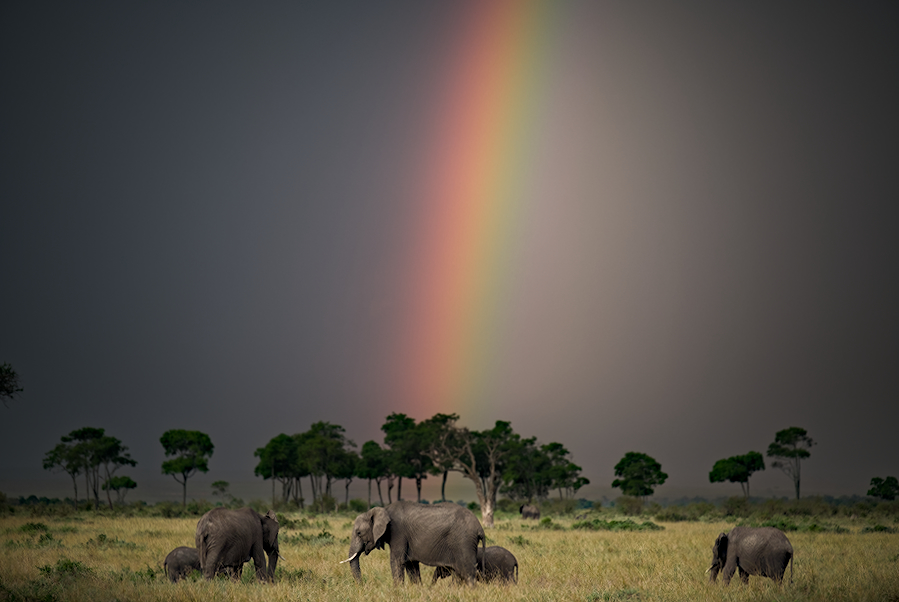
It was time to exit the Maasai Mara park. The rain and sun came out together, and the rainbow appeared at the last moment - the nervousness of time pressure, and the fleeting moment.
Then there is a risk where it’s your gear on the line. Walking into Holi with an open camera with dust and water. Shooting in rain that no sane person would carry a lens into. Jumping into the river with gear hanging all over your body, so you get a perspective that is rare. Nobody in their right mind does this without a reason. Which is exactly why it may just be that great shot.
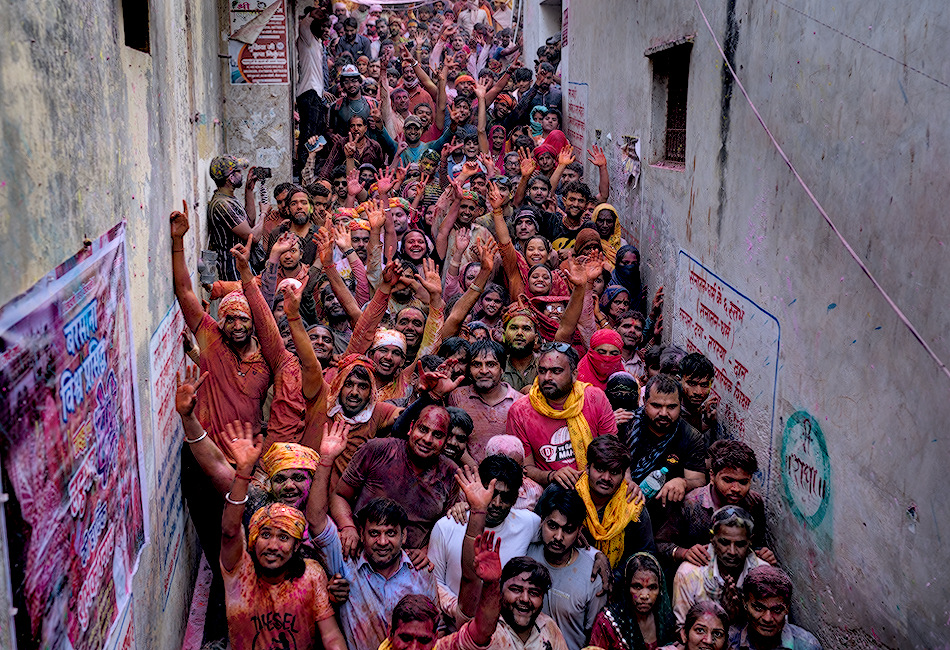
Found a ledge to balance on to capture the crowd passing under it, and got all of them to give a shout out together for this shot in Vrindavan.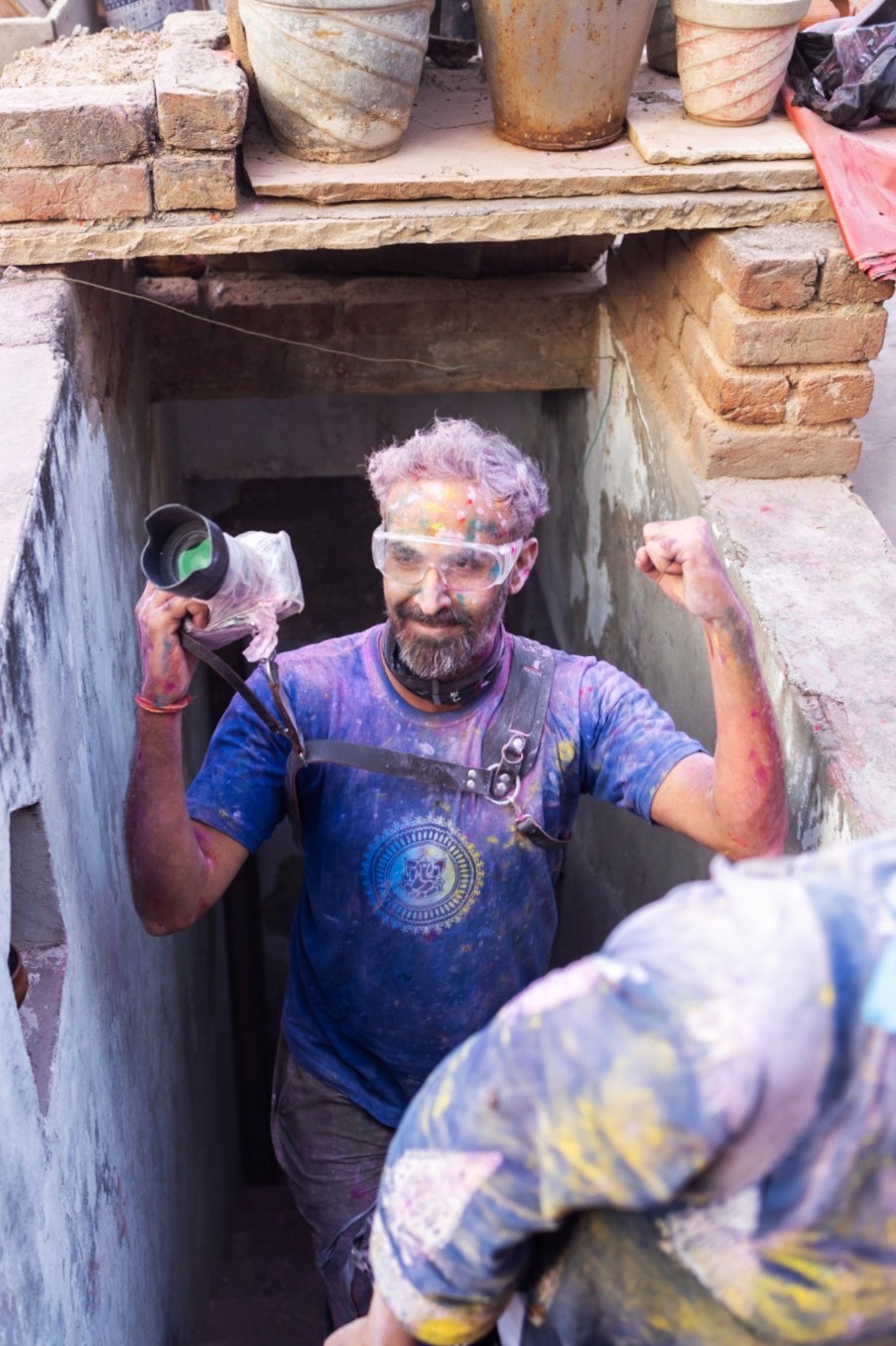
The joy of getting the shot, even at the risk of equipment damage and threat of stampede.And then there’s the emotional risk, especially of street photography. The idea of walking up to a stranger and asking permission to take a pic of them. They could humiliate you and say no. Or give you a dazzling smile, let you into their world and make your whole day. This is what makes street photography so thrilling. You’re engaging with people who are unpredictable in the best of ways and worst of ways.
I’ve learned to approach strangers boldly – they should know they’re being photographed, which actually helps build trust more easily. The best of the photographers will be a few inches from someone’s face, and subjects will still feel comfortable, and some will make even a long shot from across the street feel intrusive. Meeting strangers is its own reward, and is therapeutic. For me, it restores the faith in humanity – strangers, in person, are mostly kind, funny, all curious about you, most happy to be ‘seen’ as you photograph them. That’s a gift on its own, separate from whatever frame you walk away with.
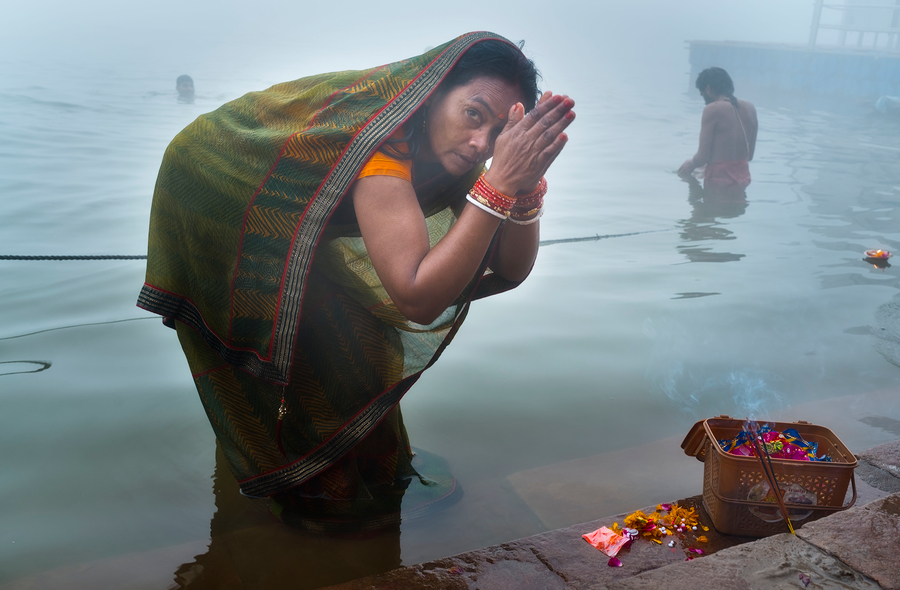
She saw me take a picture of her prayers and allowed me in, and continued with her prayers, as I sat there documenting her ritual.Ideally, the pursuit of great photographs should get you outside your bubble. But many photographers can travel to the most remote corner of the earth and still never leave their homes. For them, everyone in the frame is a prop to be moved and placed to suit their composition, they haven’t become part of the world they are shooting, or have let it seep into theirs. They are still a voyeur, someone who never really left home. They may get a good composition, good subject placement even, but may miss a great shot that has the flavour of immersion into that world.
And now, AI is here. It will change this field again, the way digital photography once did. Every risk leaves a mark on the image itself and that slight rough edge is the proof the risk actually happened, almost like a mark of greatness. AI can already smooth all of that away, and soon it could just generate the whole scene, with nothing risked at all. The results will look good too. But I wonder if we will ever learn to accept it as ‘great images’.
I wrote about this exact feeling a few years back, on World Camera Day – the same panic of new tech, the same resistance, the same inability to let go of the old ways. This risky-imperfection argument might just be my old film nostalgia, dressed up as philosophy this time. Only time will tell.
For now, Happy World Photography Day – to all of us still working out what to hold onto, and what to finally let go.
Other Blogs
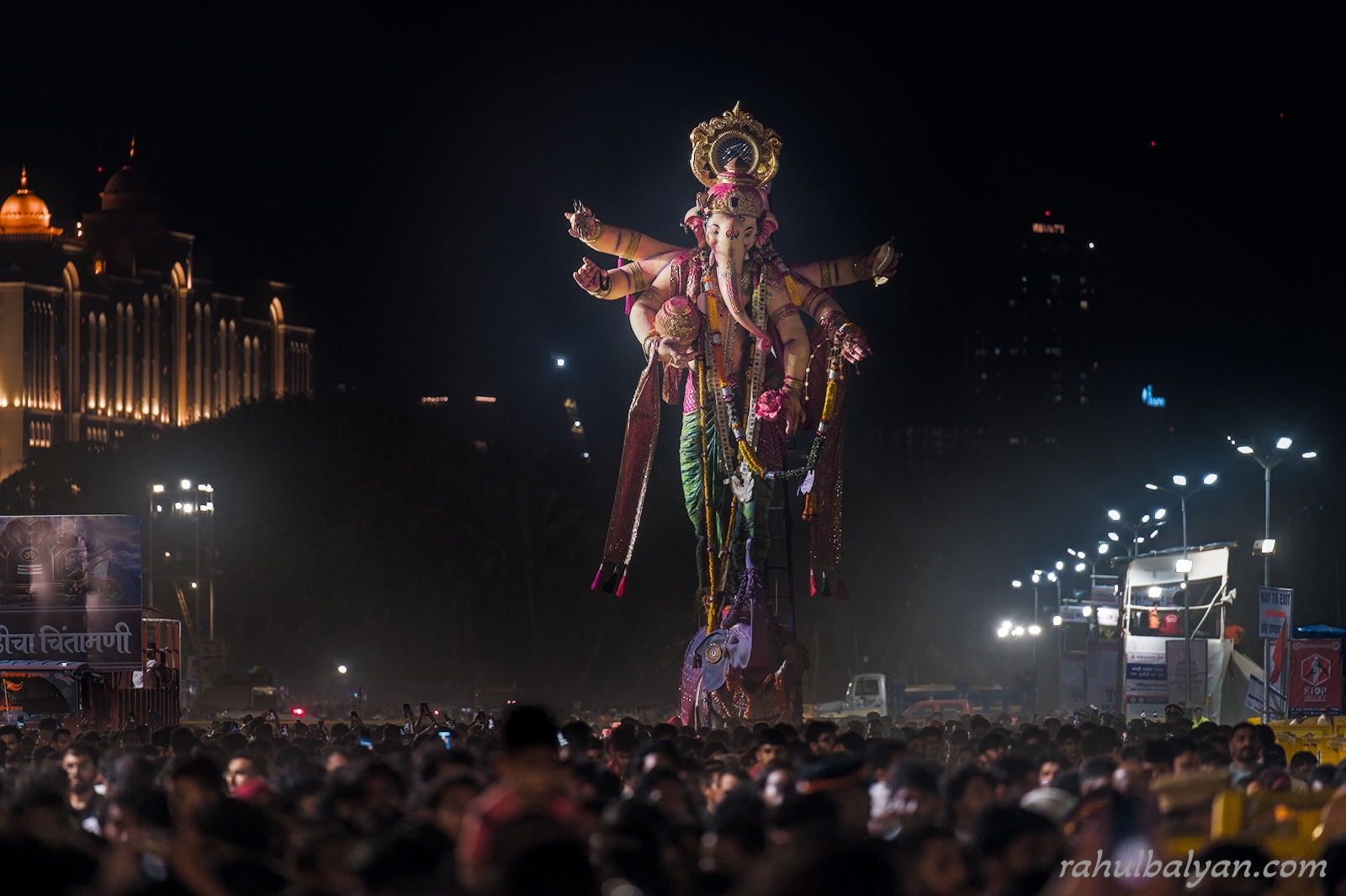
Immersion In Ganpati Visarjan, 2026 – A Photoblog
A tear rolls down his cheek. His face looks like that of a man who…

The House of Pooran – Building My Sovereign Ai
My Mac mini arrived ahead of schedule — and, more importantly, before the price hike…
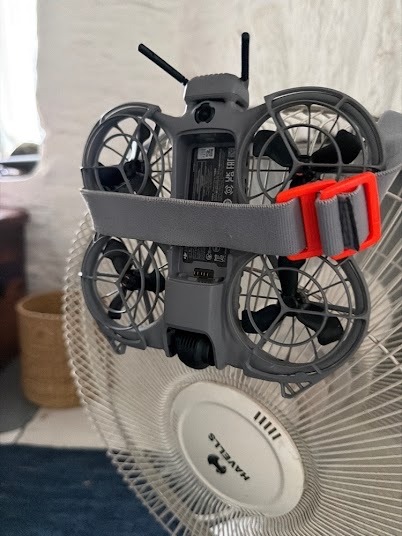
I drowned my drone. And AI fixed me instead.
With my new drone purchase. I had walked into a world of chaos, fear and…